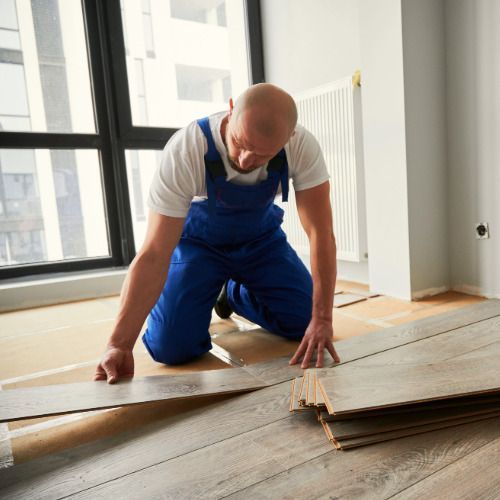
Natural Wood Floors Add Beauty & Value


There's nothing like the natural, elegant beauty and feel of hardwood floors in your home. Hardwood flooring adds aesthetic appeal, not to mention time-tested value to your home or property. Easy to maintain, hardwood floors are also quite durable, lasting for 50 and more years, making them a wise investment for any home or business.

TOP BENEFITS

  • Hardwood floors have a warm feel and are comfortable under bare feet.
  • Wood floors are durable and long-lasting with proper maintenance and can be sanded and refinished.
  • Hardwoods can add character and a custom, unique look to your space.
  • There are many customization options for colors, grain, and stain to add your personality to your flooring.

Natural Wood Floors Add Beauty & Value


There's nothing like the natural, elegant beauty and feel of hardwood floors in your home. Hardwood flooring adds aesthetic appeal, not to mention time-tested value to your home or property. Easy to maintain, hardwood floors are also quite durable, lasting for 50 and more years, making them a wise investment for any home or business.

TOP BENEFITS:

  • Hardwood floors have a warm feel and are comfortable under bare feet.
  • Wood floors are durable and long-lasting with proper maintenance and can be sanded and refinished.
  • Hardwoods can add character and a custom, unique look to your space.
  • There are many customization options for colors, grain, and stain to add your personality to your flooring.

FEATURES

Hardwood Flooring: The Basics

Icon of wood species
Wood Species

There are many wood species to choose from, all with different grains, color hues and character. Most wood flooring is quite durable. Harder wood species are more wear resistant. But generally it's more about aesthetic appeal.

Icon of wood widths
Wood Widths

Popular widths for hardwood floors range from 2 and a quarter to 7 inches. Wide plank hardwood flooring creates a more modern feel with fewer seams. Narrower widths can make small rooms look bigger. Wider is better for a more rustic look.

Icon of wood species
Wood Species

There are many wood species to choose from, all with different grains, color hues and character. Most wood flooring is quite durable. Harder wood species are more wear resistant. But generally it's more about aesthetic appeal.

Icon of wood widths
Wood Widths

Popular widths for hardwood floors range from 2 and a quarter to 7 inches. Wide plank hardwood flooring creates a more modern feel with fewer seams. Narrower widths can make small rooms look bigger. Wider is better for a more rustic look.

Icon of color swatches
Stain Colors

Stains are what give hardwood floors their colorful luster, bringing out the wood grains and detail. Different stains look better on certain wood species. Walnut, maple and cherry woods are naturally beautiful so neutral stains are best. Oak floors, however, can beautifully express a wide color palette.

Icon of installation patterns
Flooring Patterns

Herringbone and chevron patterns are quite elegant. Random width and plank patterns are more casual and rustic. Parquet patterns are great for adding visual interest to a space. Traditional straight installation laces boards of varying lengths.

Icon of floor finishes
Water-Based Finish

Finishes are applied last over the stain to seal and protect the wood. We use water-based Bona finish because it dries faster than oil-based, doesn't have strong smells, hardens (cures) more quickly and won't amber the wood over time.

Icon of questions
Other Considerations

Think about the space and its uses. High-traffic areas like hallways and living rooms might benefit from harder wood species that can withstand wear and tear. Water and moisture is the enemy of wood floors. So make sure the space is going to be kept dry.

Icon of floor install
Installation & Subflooring

Natural hardwood flooring is nailed to the subfloor of the space, which ideally should be plywood, OSB (particle board), or solid boards. Between the subfloor and hardwood planks, a thin layer of moisture and sound absorbing material is placed.

Icon of color swatches
Stain Colors

Stains are what give hardwood floors their colorful luster, bringing out the wood grains and detail. Different stains look better on certain wood species. Walnut, maple and cherry woods are naturally beautiful so neutral stains are best. Oak floors, however, can beautifully express a wide color palette.

Icon of installation patterns
Flooring Patterns

Herringbone and chevron patterns are quite elegant. Random width and plank patterns are more casual and rustic. Parquet patterns are great for adding visual interest to a space. Traditional straight installation laces boards of varying lengths.

Icon of floor finishes
Water-Based Finish

Finishes are applied last over the stain to seal and protect the wood. We use water-based Bona finish because it dries faster than oil-based, doesn't have strong smells, hardens (cures) more quickly and won't amber the wood over time.

Icon of questions
Other Considerations

Think about the space and its uses. High-traffic areas like hallways and living rooms might benefit from harder wood species that can withstand wear and tear. Water and moisture is the enemy of wood floors. So make sure the space is going to be kept dry.

Icon of questions
Installation & Subflooring

Natural hardwood flooring is nailed to the subfloor of the space, which ideally should be plywood, OSB (particle board), or solid boards. Between the subfloor and hardwood planks, a thin layer of moisture and sound absorbing material is placed.

Engineered Hardwoods are a Beautiful, Affordable Option for Home Spaces

For spaces that are high-traffic or may involve some moisture, engineered hardwood floors are a great, economical solution. It's composed of multiple plywood layers bound together. Then a thin veneer of real hardwood (usually 1/8 inch) is glued on top. So the grain and color options are similar to hardwood flooring, with many species and stain options. They can be unfinished, or pre-finished with stain color and finish coat factory applied.

TOP BENEFITS

  • The main advantage of engineered hardwood is its durability and stability, even when exposed to moderate moisture.
  • Engineered wood is less prone to warping or bending.
  • Both unfinished and pre-finished engineered are best used in lower levels, bathrooms or kitchens and areas where moisture or humidity might be present.

FEATURES

Engineered Flooring: The Basics

Icon of finished floor
Pre-Finished Engineered

This flooring is installed already having a durable stain and finish, applied at the factory. One main benefit is that you'll know exactly what color and finish your floors will have before installation. Also, no fumes, and a shorter install time with less mess.

Icon of natural wood
Unfinished Engineered

This flooring has a bare hardwood veneer that has to be stained and finished similar to natural hardwood floors. This works great if you want to choose the stain color. Also unfinished engineered doesn't have beveled edges between boards like pre-finished.

Icon of finished floor
Less Expensive Option

Engineered flooring is a good, less expensive option for home or business, costing around half that of solid hardwood. But keep in mind, solid hardwoods last much longer and can be refinished many times. While some engineered flooring can be refinished once or twice, most cannot.

Icon of natural wood
Installation & Subflooring

Engineered flooring typically requires a plywood or OSB subfloor in order to staple or nail onto. If the subfloor is concrete or other type, glue is used to secure the boards to the subfloor. Some engineered flooring is designed for free floating installation using interlocking joints. No nailing or gluing is needed.

Icon of finished floor
Pre-Finished Engineered

This flooring is installed already having a durable stain and finish, applied at the factory. One main benefit is that you'll know exactly what color and finish your floors will have before installation. Also, no fumes, and a shorter install time with less mess.

Icon of natural wood
Unfinished Engineered

This flooring has a bare hardwood veneer that has to be stained and finished similar to natural hardwood floors. This works great if you want to choose the stain color. Also unfinished engineered doesn't have beveled edges between boards like pre-finished.

Icon of finished floor
Less Expensive Option

Engineered flooring is a good, less expensive option for home or business, costing around half that of solid hardwood. But keep in mind, solid hardwoods last much longer and can be refinished many times. While some engineered flooring can be refinished once or twice, most cannot.

Icon of natural wood
Installation & Subflooring

Engineered flooring typically requires a plywood or OSB subfloor in order to staple or nail onto. If the subfloor is concrete or other type, glue is used to secure the boards to the subfloor. Some engineered flooring is designed for free floating installation using interlocking joints. No nailing or gluing is needed.

We Offer Premium AXISCOR Luxury Vinyl Flooring

Our commitment to excellence is evident in our selection of AXISCOR luxury vinyl flooring, featuring an SPC core for unparalleled density and stability. With a premium 20 millimeter wear layer and anti-microbial properties, AXISCOR offers superior durability. SPC is the next generation of core for multi-layer luxury vinyl flooring. It offers top performance for home or business.

The logo for axiscor performance flooring is on a black background.

Our Fast & Easy Process to Get Floors Installed

1. In-Home Estimate

Schedule an in-home estimate by our team members. We'll visit, discuss flooring options, your goals and take measurements. We'll prepare an estimate and installation timeframe for you to review and approve.

3. Prepping Room(s) for Work

Before installation, spaces getting floors need to be cleared of furniture, drapery, items on walls, etc. We'll order a demolition bin (if needed), and secure protective dust coverings.   

4. Removing Old Floors & Installing Hardwood

This is the most disruptive part. Please expect some noise and traffic as we remove old flooring, prep the subfloor, and install the hardwood. We'll assess the subfloor to ensure it's level and has no water damage. Next, we clean the floor well and roll out underlayment. The old floor removal and new floor install is the most lengthy process, lasting between 1 and 2 weeks.

5. Sanding Floors

Once the new hardwood floors are installed, they are sanded using a dustless sanding system that removes the dust while we sand. We'll go over the floor with a stronger grit sandpaper, and finish with finer grit.

5. Finishing Floors

Our staining & finishing process ensures a great final floor to last for years. After sanding and cleaning the floor, we apply the stain which will bring out the wood's natural beauty. When the stain is dry, we finish the floor with coats of Bona water-based seal. You can choose from low luster to high gloss. New floors are walkable within 5 hours! However, there should be no pets for 48 hours or furniture for 7-10 days until the floor is fully cured.

Contact Us to Schedule a Free In-Home Estimate

Sign up to our newsletter