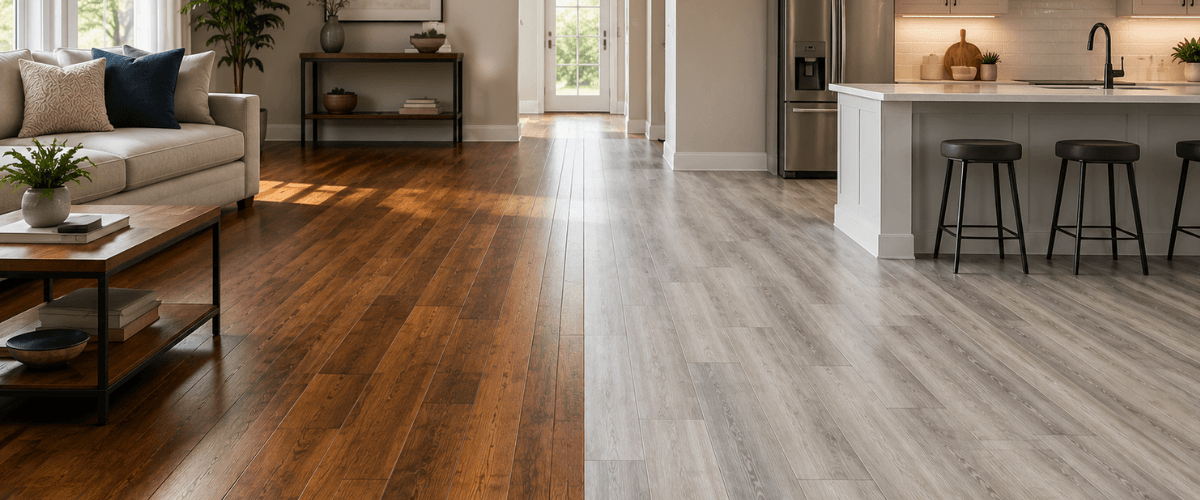
Should You Refinish or Replace Your Hardwood Flooring?

August 21, 2026

Should You Refinish or Replace Your Hardwood Flooring?

August 21, 2026

Hardwood flooring is one of the best long-term investments you can make in your home. Unlike many flooring materials, hardwood can often be restored when it begins to look worn, scratched, or outdated. But eventually, every homeowner reaches a point where they wonder: Should I refinish my hardwood floors, or is it time to replace them? The answer isn't always obvious. A floor that looks old and worn may only need sanding and a new finish, while severely damaged or repeatedly refinished flooring may be better suited for replacement. Understanding the difference can help you avoid spending money on a replacement when restoration would do the job—or investing in refinishing when new flooring is the better long-term solution.


When Should You Consider Refinishing?

Refinishing is one of the biggest advantages of hardwood flooring. Instead of removing the existing floor, the surface is sanded to remove the old finish and a thin layer of damaged wood. The floor can then be stained, if desired, and finished with a new protective coating. For many homeowners, refinishing can make an older hardwood floor look dramatically different.


Your Floors Have Surface Scratches

Small scratches, scuffs, and areas of dullness don't necessarily mean your flooring needs to be replaced. If the damage is primarily in the finish rather than deep into the wood, sanding and refinishing can restore a smooth, attractive surface. This is particularly useful in high-traffic areas where years of foot traffic have gradually worn away the protective finish.


The Finish Has Become Dull or Worn

Hardwood floors naturally lose some of their shine and protection over time. Even if the wood itself is in good condition, the finish may look cloudy, faded, or worn. Refinishing provides an opportunity to remove the old finish and apply a fresh protective coating.


You Want to Change the Color

One of the benefits of refinishing is that you aren't necessarily stuck with the existing color of your hardwood. Depending on the condition and species of the flooring, sanding can remove the existing finish and allow you to choose a new stain color. A dated orange or reddish-brown floor, for example, may be transformed into a lighter, more contemporary finish.


The Floor Has Minor Wear and Tear

Small dents and areas of wear can often be addressed during the sanding process. If the individual boards are still structurally sound and the damage isn't severe, refinishing may be all that's needed to give the floor a new lease on life.


When Should You Consider Replacing Hardwood Flooring?

Refinishing isn't the answer for every hardwood floor. Sometimes the underlying wood has suffered too much damage, or the floor has reached the end of its practical lifespan.


The Boards Are Severely Damaged

Deep cracks, extensive splitting, major gouges, or significant structural damage may go beyond what sanding can reasonably correct. If individual boards are badly damaged, replacement of those sections may be possible. However, if the damage is widespread, installing new flooring may make more sense.


There Is Significant Water Damage

Water is one of hardwood flooring's biggest enemies. A plumbing leak, flooding, or prolonged exposure to moisture can cause boards to swell, cup, buckle, stain, or develop other problems. Some water-damaged floors can be repaired or refinished after the underlying moisture problem has been corrected. In more serious cases, however, replacement may be necessary. It's important to address the source of the moisture before installing or refinishing any flooring.


The Flooring Has Been Refinished Too Many Times

Solid hardwood can generally be sanded and refinished multiple times, but it isn't unlimited. Every complete sanding removes a small amount of wood. Eventually, the remaining material above the tongue-and-groove portion of the boards may become too thin for another full refinishing. At that point, replacement may be the better option.


The Floor Has Major Structural Problems

If the flooring has extensive movement, loose boards, widespread gaps, or problems with the subfloor underneath, simply refinishing the surface won't solve the underlying issue. A flooring professional can determine whether the problem is limited to the hardwood itself or involves the subfloor or installation.


What About Old Hardwood Floors?

Don't automatically assume an old hardwood floor needs to be replaced. In fact, older hardwood floors can be some of the best candidates for refinishing. Many older homes contain solid hardwood with substantial material that can potentially be sanded and restored. A floor that looks dark, scratched, or outdated may be hiding beautiful wood underneath years of worn finish and accumulated wear. Before tearing out an older hardwood floor, it's worth having it evaluated by a flooring professional. You may discover that restoration can give you the appearance of a completely new floor while preserving the original hardwood.


Refinishing vs. Replacing: Which Is More Cost-Effective?

The answer depends on the condition of your existing floor and the scope of the project. Refinishing can be a cost-effective option when the existing hardwood is structurally sound. You're keeping the flooring that's already there rather than purchasing and installing an entirely new floor. Replacing can make more sense when the existing flooring has extensive damage, has already been sanded multiple times, or doesn't meet your current needs. There are also situations where a combination of approaches makes sense. For example, severely damaged boards can sometimes be replaced before the entire floor is sanded and refinished.


Can You Refinish Hardwood Yourself?

Some homeowners consider renting a floor sander and taking on the project themselves. While DIY refinishing may seem straightforward, sanding hardwood floors requires experience. A floor sander can remove material quickly, and improper technique can leave visible grooves, uneven areas, or other damage that can be difficult to correct. There is also the challenge of applying stain and finish evenly across the entire floor. For valuable hardwood flooring, professional refinishing can help protect the investment you've already made in your home.


Signs It's Probably Time to Refinish

Consider having your hardwood floors evaluated for refinishing if:

  • The finish looks dull or worn.
  • There are numerous surface scratches.
  • High-traffic areas look significantly different from the rest of the floor.
  • The color looks outdated.
  • The wood is still structurally sound.
  • You want to change the stain color.
  • You want to restore the appearance of an older hardwood floor.


Signs Replacement May Be the Better Choice

Replacement may be worth considering if:

  • The boards have extensive structural damage.
  • There is widespread water damage.
  • The floor has already been sanded several times.
  • Boards are too thin for another complete sanding.
  • There are major problems with the subfloor.
  • You want to change to a completely different flooring material.
  • Repairs would be extensive enough that replacement makes more financial sense.


Let a Flooring Professional Evaluate Your Floors

One of the biggest mistakes homeowners can make is assuming that an old hardwood floor needs to be torn out simply because it looks bad. Hardwood is designed to be restored. What looks like an old, worn-out floor may simply be a floor with a tired finish. On the other hand, refinishing isn't always the right solution. If the wood has suffered significant damage or no longer has enough material for another sanding, replacement may provide a better long-term result. The key is determining what's actually wrong with the floor before deciding what to do.


If you're unsure whether your hardwood floors should be refinished or replaced, a professional evaluation can help you understand your options. An experienced flooring specialist can examine the condition of the boards, finish, and subfloor and determine whether restoration is practical—or whether replacement would be the better investment. Whether your floors need a fresh finish, repairs, sanding, or a completely new installation, the right approach can help you achieve beautiful results while getting the most value from your flooring investment. Before you replace your hardwood floors, find out whether they can be restored. Contact us to schedule a professional flooring evaluation.

You might also like:
August 9, 2026
If you're shopping for new wood flooring, you've probably come across two popular options: solid hardwood and engineered hardwood . At first glance, they can look almost identical. In fact, many homeowners can't tell the difference once the flooring has been installed. So why are there two types of hardwood flooring? The answer comes down to how they're made, where they can be installed, and how they'll perform over time. Both are excellent flooring choices, but each has strengths that make it better suited for certain situations. Here's everything you need to know before deciding which type of hardwood flooring is right for your home or business. What Is Solid Hardwood Flooring? Solid hardwood flooring is exactly what the name suggests—each plank is made from a single piece of natural wood. Popular species include oak, maple, hickory, walnut, and ash, each offering its own unique grain patterns, colors, and hardness. Solid hardwood is typically ¾-inch thick and has been used in homes for well over a century. Many historic homes still have their original hardwood floors, proving just how durable this flooring can be. Advantages of Solid Hardwood Unmatched longevity One of hardwood's greatest strengths is its lifespan. With proper maintenance, solid hardwood can easily last 75 to 100 years or more. Can be refinished many times Because the flooring is solid wood all the way through, it can be sanded and refinished multiple times. Scratches, dents, fading, and worn finishes can often be completely restored, making the floor look almost brand new. Adds significant home value Hardwood flooring remains one of the most sought-after flooring materials among homebuyers. It gives a home a premium appearance and often contributes to higher resale value. Natural beauty Every board is unique. The grain, texture, knots, and color variations create character that manufactured products simply can't duplicate. Never goes out of style Interior design trends change every few years, but genuine hardwood flooring remains timeless. Disadvantages of Solid Hardwood While solid hardwood offers many benefits, it isn't perfect for every environment. Sensitive to moisture Wood naturally expands and contracts as humidity changes. Excessive moisture can cause boards to swell, cup, or warp. Not recommended below grade Basements generally have higher humidity levels, making solid hardwood less suitable unless environmental conditions are carefully controlled. Higher installation cost Solid hardwood usually requires professional installation, sanding (for unfinished floors), and finishing, making it one of the more significant flooring investments. What Is Engineered Hardwood? Engineered hardwood is real hardwood—but it's constructed differently. Instead of being made from one solid piece of wood, engineered hardwood consists of a genuine hardwood veneer on top of several layers of plywood or high-density wood core that are bonded together. This layered construction makes engineered hardwood more dimensionally stable than solid hardwood while maintaining the appearance of genuine wood. Many homeowners are surprised to learn that the visible surface is still authentic hardwood—not a printed image like laminate or vinyl flooring. Advantages of Engineered Hardwood Real wood appearance Since the top layer is genuine hardwood, engineered flooring looks virtually identical to solid hardwood once installed. Greater moisture resistance The cross-layered construction helps reduce expansion and contraction caused by humidity, making engineered hardwood a better choice for rooms where moisture levels fluctuate. Can be installed in more locations Engineered hardwood is often recommended for basements, condominiums, and homes built on concrete slabs where traditional hardwood may not perform as well. Easier installation options Many engineered products are available with click-lock or floating floor systems, reducing installation time and labor costs. More efficient use of hardwood Because only the wear layer is solid hardwood, engineered flooring uses less slow-growing hardwood while still delivering the same beautiful appearance. Disadvantages of Engineered Hardwood Despite its many strengths, engineered hardwood does have limitations. Limited refinishing How many times engineered flooring can be refinished depends on the thickness of its hardwood wear layer. Some premium products can be refinished several times, while thinner products may only allow one refinishing—or none at all. Quality varies significantly Not all engineered flooring is created equal. Higher-quality products use thicker hardwood veneers and stronger core materials, while lower-cost options may have thinner wear layers that reduce longevity. Typically shorter lifespan Although quality engineered hardwood can easily last 30 to 50 years or more, it generally doesn't match the century-long lifespan of solid hardwood. Which Flooring Is Best for Each Room? Living Rooms Winner: Either Option Both products perform beautifully in living spaces. Your decision may come down to budget or long-term plans. Dining Rooms Winner: Solid Hardwood Formal dining rooms benefit from the elegance and longevity of traditional hardwood. Bedrooms Winner: Either Option Bedrooms experience relatively little moisture, making either flooring an excellent choice. Kitchens Winner: Engineered Hardwood Small spills and changing humidity make engineered hardwood a practical option while still providing the warmth of real wood. Basements Winner: Engineered Hardwood Because basements often experience higher humidity, engineered flooring is generally the safer choice. Condominiums Winner: Engineered Hardwood Many condos have concrete subfloors that work exceptionally well with engineered hardwood flooring systems. Which Flooring Is Better for Pets? Both flooring types can scratch if pets have long nails, especially softer wood species. Fortunately, many engineered products feature extremely durable factory finishes that resist everyday wear remarkably well. If you have several large dogs, choosing a harder wood species—such as white oak, hickory, or maple—will usually make a bigger difference than choosing between solid or engineered construction. Which Is Easier to Maintain? The good news is that maintenance is nearly identical. For both flooring types: Sweep or vacuum regularly. Clean with hardwood-safe cleaners. Wipe spills promptly. Avoid excessive water. Use felt pads under furniture. With proper care, both flooring types will provide decades of beautiful service. Cost Considerations Price varies considerably depending on wood species, plank width, finish, and manufacturer. Solid hardwood generally has the higher upfront cost due to installation requirements and thicker material. Engineered hardwood often offers savings in installation while still delivering the beauty of genuine hardwood. It's also important to think about long-term value. While solid hardwood costs more initially, its ability to be refinished many times may make it the better lifetime investment for homeowners planning to stay in their home for decades. So, Which Flooring Should You Choose? The right choice depends on your home, your budget, and how long you plan to enjoy your new floors. Choose solid hardwood if you: Want the longest-lasting flooring available. Value maximum resale appeal. Plan to stay in your home for many years. Want the ability to refinish your floors multiple times. Are installing flooring on the main or upper levels of your home. Choose engineered hardwood if you: Need greater resistance to humidity. Are installing flooring over concrete. Want hardwood in a finished basement. Prefer easier installation options. Want genuine wood flooring with added versatility.
August 6, 2026
Choosing new flooring is one of the biggest decisions you'll make during a renovation or new build. Two of today's most popular options—hardwood flooring and luxury vinyl flooring (LVP/LVT)—both offer unique advantages, but they serve different needs depending on your lifestyle, budget, and long-term goals. So, which flooring is right for your home? The answer depends on how you use the space, your maintenance expectations, and the look you want to achieve. Here's a closer look at the pros, cons, and best use cases for each. Hardwood Flooring: Timeless Beauty That Lasts Hardwood flooring has remained one of the most sought-after flooring choices for generations. Whether it's rich oak, maple, hickory, or walnut, genuine hardwood offers natural character and warmth that manufactured products simply can't replicate. One of hardwood's greatest strengths is its longevity. With proper care, a hardwood floor can last 50 years or more and can often be refinished multiple times, allowing homeowners to restore its appearance instead of replacing it. Pros of Hardwood Flooring Beautiful, natural appearance with unique grain patterns Adds value to your home and appeals to future buyers Can last decades with proper maintenance Can be sanded and refinished when worn or scratched Available in a wide variety of wood species, colors, and finishes Never goes out of style Cons of Hardwood Flooring Higher upfront investment Can scratch from pets, furniture, or heavy traffic Sensitive to moisture and standing water Not ideal for below-grade installations like most basements Requires occasional maintenance over its lifetime When Hardwood Is the Best Choice Hardwood is an excellent investment for homeowners planning to stay in their home for many years or those looking to increase resale value. It works particularly well in: Living rooms Dining rooms Bedrooms Hallways Home offices Open-concept main floors Many homeowners also choose hardwood throughout the main level to create a seamless, high-end appearance.  Luxury Vinyl Flooring: Durable, Practical, and Affordable Luxury vinyl plank (LVP) has improved dramatically over the past decade. Modern vinyl flooring closely mimics the appearance of hardwood while offering exceptional durability and water resistance. Unlike older sheet vinyl, today's luxury vinyl features realistic wood textures, embossed grain patterns, and wide plank designs that can be difficult to distinguish from real wood at first glance. For busy households, it's become one of the most practical flooring options available. Pros of Vinyl Flooring Waterproof or highly water-resistant Lower installation cost than hardwood Extremely resistant to scratches and dents Comfortable underfoot Easy to clean and maintain Suitable for nearly every room in the home Available in countless colours and wood-look styles Cons of Vinyl Flooring Cannot usually be refinished if damaged Shorter lifespan than hardwood Doesn't add the same resale value as genuine wood Lower-quality products can fade or wear over time Less authentic feel than natural hardwood When Vinyl Is the Better Choice Luxury vinyl shines in areas where moisture or heavy use is expected. Ideal locations include: Kitchens Bathrooms Laundry rooms Basements Mudrooms Rental properties Homes with multiple pets Families with young children If durability and low maintenance are your top priorities, vinyl is often the practical winner. Comparing Hardwood and Vinyl Appearance If authentic beauty is your priority, hardwood remains unmatched. Every board has its own grain, colour variation, and natural character. Luxury vinyl has become remarkably realistic, but it's still a manufactured product. While many homeowners love its appearance, natural wood offers depth and uniqueness that cannot be perfectly duplicated. Winner: Hardwood Durability This category depends on the type of wear you're expecting. Hardwood can last generations but is susceptible to scratches, dents, and water damage. Luxury vinyl resists scratches, spills, and everyday abuse much better, making it an excellent choice for active households. Winner: Vinyl Water Resistance This isn't much of a contest. Standing water can permanently damage hardwood flooring, while most luxury vinyl products are designed to handle moisture with ease. Winner: Vinyl Longevity A quality hardwood floor can last half a century—or longer—with refinishing. Luxury vinyl generally lasts between 15 and 30 years depending on product quality and traffic levels. Once it's worn, it usually needs replacement. Winner: Hardwood Maintenance Both flooring types are relatively easy to maintain. Hardwood requires regular sweeping and occasional specialty cleaning products. It also benefits from protective pads under furniture and humidity control. Vinyl simply needs sweeping and damp mopping with manufacturer-approved cleaners. Winner: Vinyl Home Value Real hardwood flooring remains one of the most desirable flooring upgrades for prospective buyers and can positively influence resale appeal. Luxury vinyl is respected for its practicality, but it generally doesn't command the same premium perception. Winner: Hardwood Which Flooring Is Best for Your Lifestyle? Choose Hardwood If: You want a premium, timeless appearance. You plan to stay in your home for many years. Increasing resale value is important. You appreciate natural materials. You're willing to invest in long-term quality. Choose Vinyl If: You have children or large pets. Your household experiences heavy daily traffic. Moisture is a concern. You're renovating on a tighter budget. You want minimal ongoing maintenance. Can You Mix Hardwood and Vinyl? Absolutely. Many homeowners combine both flooring types throughout their home. For example: Hardwood throughout living spaces and bedrooms Luxury vinyl in bathrooms, laundry rooms, mudrooms, or finished basements This approach provides the elegance of hardwood where it matters most while taking advantage of vinyl's durability in moisture-prone areas. When planned properly, the transition between flooring materials can feel seamless and intentional. Final Thoughts There isn't a single "best" flooring option for every home. Hardwood flooring offers timeless beauty, exceptional longevity, and lasting value. Luxury vinyl flooring provides impressive durability, water resistance, and affordability that suits today's busy lifestyles. The right choice depends on your home's layout, your family's needs, and how you plan to use each space. If you're still unsure which option makes the most sense, speaking with an experienced flooring professional can help you compare products, understand installation requirements, and select a floor that will serve your home well for years to come.